
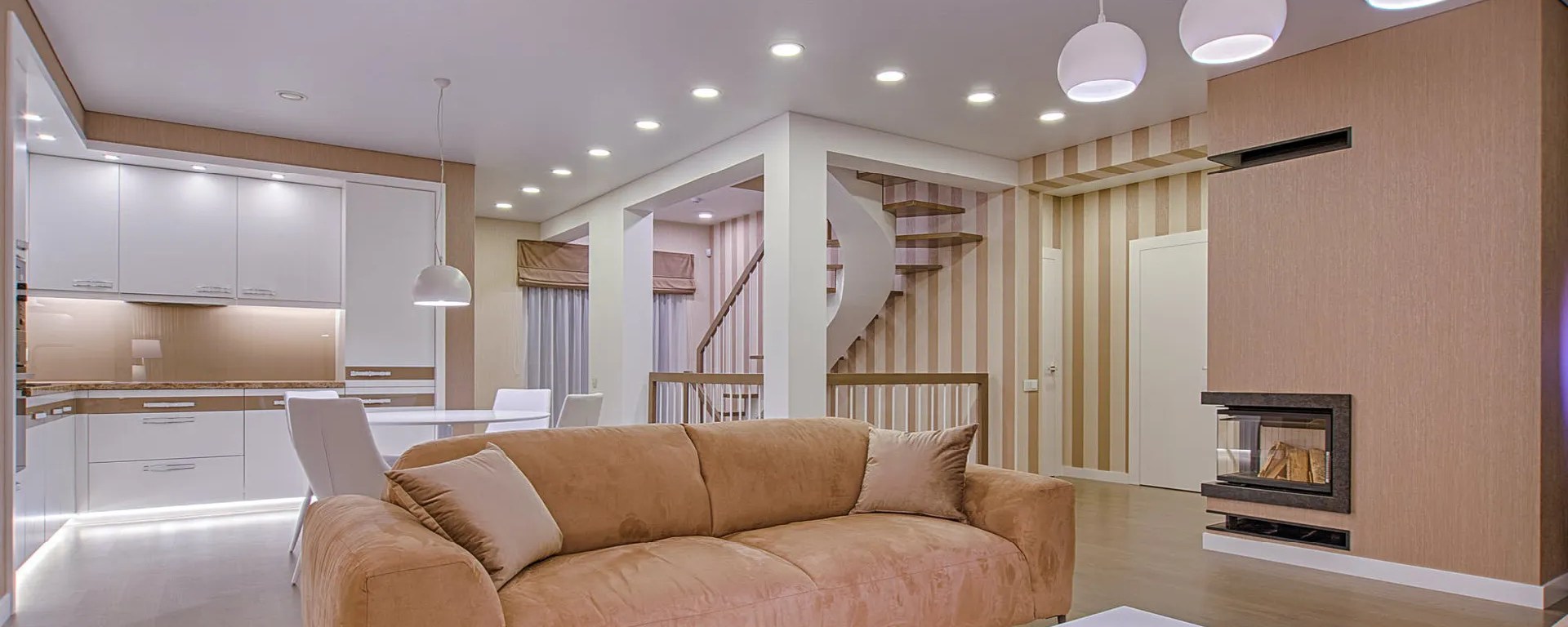
Lighting is more than just a functional element in our homes; it’s a critical component of interior design that can influence mood, enhance aesthetics, and improve functionality. Properly executed lighting transforms a space, creating warmth and inviting atmospheres. This guide explores various aspects of home lighting, including types, fixtures, design tips, and practical applications to help you achieve a well-lit and beautifully coordinated home.
Understanding the Types of Lighting
A fundamental concept in home lighting is understanding the three main types of lighting: ambient, task, and accent. Each serves a specific purpose and can be combined to create a harmonious atmosphere.
- Ambient Lighting: This is the primary source of illumination in any room, providing a general glow that allows for safe navigation and everyday activities. Ambient lighting can be achieved through various fixtures such as ceiling-mounted lights, chandeliers, or wall sconces. When selecting ambient lighting, consider the size and layout of the room to ensure adequate coverage without overwhelming the space.
- Task Lighting: Designed to focus light on specific areas where activities like reading, cooking, or studying occur, task lighting enhances functionality. Examples include desk lamps, under-cabinet lights in kitchens, and adjustable reading lights beside beds. It’s essential to choose fixtures that offer sufficient brightness without causing glare, promoting comfort and efficiency during tasks.
- Accent Lighting: This type of lighting adds depth and drama to a room by highlighting particular features, such as artwork, architectural details, or plants. Accent lighting can be achieved through track lighting, recessed lights, or wall-mounted fixtures. When used thoughtfully, it creates focal points that draw the eye and enhance the overall ambiance.
Selecting the Right Fixtures
Choosing the appropriate lighting fixtures is essential for achieving the desired look and functionality in your space. Here are several popular options to consider:
- Chandeliers: These elegant fixtures serve as a striking centerpiece in dining rooms, entryways, or large living areas. A well-chosen chandelier can add sophistication and style, complementing the overall decor. When selecting a chandelier, consider the height of the ceiling and the scale of the room to ensure balance.
- Pendant Lights: Versatile and stylish, pendant lights are excellent for kitchens, dining areas, or home bars. They provide task lighting while serving as decorative elements. Hanging them at varying heights creates visual interest and can define different zones within an open space.
- Wall Sconces: Ideal for hallways, bathrooms, or flanking mirrors, wall sconces offer both ambient and accent lighting. These fixtures can free up floor space while adding layers of light, enhancing the room’s character.
- Recessed Lighting: Installed directly into the ceiling, recessed lights offer a sleek and modern aesthetic. They are perfect for providing ambient lighting without taking up visual space. Consider using adjustable recessed lights to create focused task lighting when needed.
The Importance of Light Bulbs
The choice of light bulbs plays a significant role in the quality and effectiveness of your lighting. Understanding the different types of bulbs will help you select the right ones for your needs.
- Incandescent Bulbs: While these traditional bulbs provide a warm, inviting glow, they are less energy-efficient and have a shorter lifespan compared to newer technologies. However, they remain popular for their soft light and compatibility with dimmer switches.
- Compact Fluorescent Lamps (CFLs): CFLs use significantly less energy than incandescent bulbs and have a longer lifespan. They come in a variety of color temperatures, allowing you to choose warmer or cooler tones to match your room’s atmosphere.
- Light Emitting Diodes (LEDs): Known for their energy efficiency and longevity, LEDs are increasingly popular in home lighting. They provide a wide range of color temperatures and brightness levels, making them suitable for any application. LEDs are ideal for both ambient and task lighting and can help reduce energy costs.
- Smart Bulbs: These innovative bulbs can be controlled via smartphone apps or smart home systems. They allow for customizable settings, including brightness and color changes, enabling you to create the perfect ambiance for any occasion.
Creating a Layered Lighting Design
A well-designed lighting plan often involves layering different types of lighting to achieve a balanced and inviting environment. Here’s how to layer lighting effectively:
- Combine Ambient, Task, and Accent Lighting: Use a mix of lighting types to create depth and interest. For instance, in a living room, you might use a chandelier for ambient light, table lamps for task lighting, and wall sconces to highlight artwork.
- Consider Room Functionality: Tailor your lighting scheme to the specific functions of each room. A home office may require brighter task lighting, while a bedroom might benefit from softer, more ambient light to promote relaxation.
- Adjust for Natural Light: Take into account the natural light available in each room throughout the day. Use sheer curtains to maximize daylight while layering with artificial light for evening use. Adjusting your lighting according to the time of day can enhance comfort and ambiance.
Maintenance and Safety Tips
Proper maintenance of your lighting fixtures is essential to ensure their longevity and safety. Here are some helpful tips:
- Regular Cleaning: Dust and dirt can accumulate on fixtures, dimming their light output. Clean your fixtures regularly with a soft cloth or duster to keep them looking their best.
- Inspect Bulbs and Wiring: Periodically check your light bulbs for flickering or dimming, which may indicate a need for replacement. Ensure that all wiring is secure and free from fraying or damage.
- Follow Safety Guidelines: When installing or replacing fixtures, adhere to safety standards. If you are uncertain about any electrical work, consult a licensed electrician to ensure safe installation and compliance with local codes.
Crafting Your Unique Lighting Scheme
Designing a lighting plan for your home involves considering personal style, functionality, and the desired atmosphere for each space. Experiment with various fixtures, colors, and placements to discover what works best for your environment.
The right lighting has the power to transform a home, creating warmth and inviting spaces that enhance daily life. By understanding the different types of lighting, selecting suitable fixtures, and employing thoughtful design strategies, you can achieve a beautifully illuminated home that perfectly reflects your style and meets your needs. Embrace the art of lighting design, and watch as your space shines with newfound brilliance.
 My Family Blog