
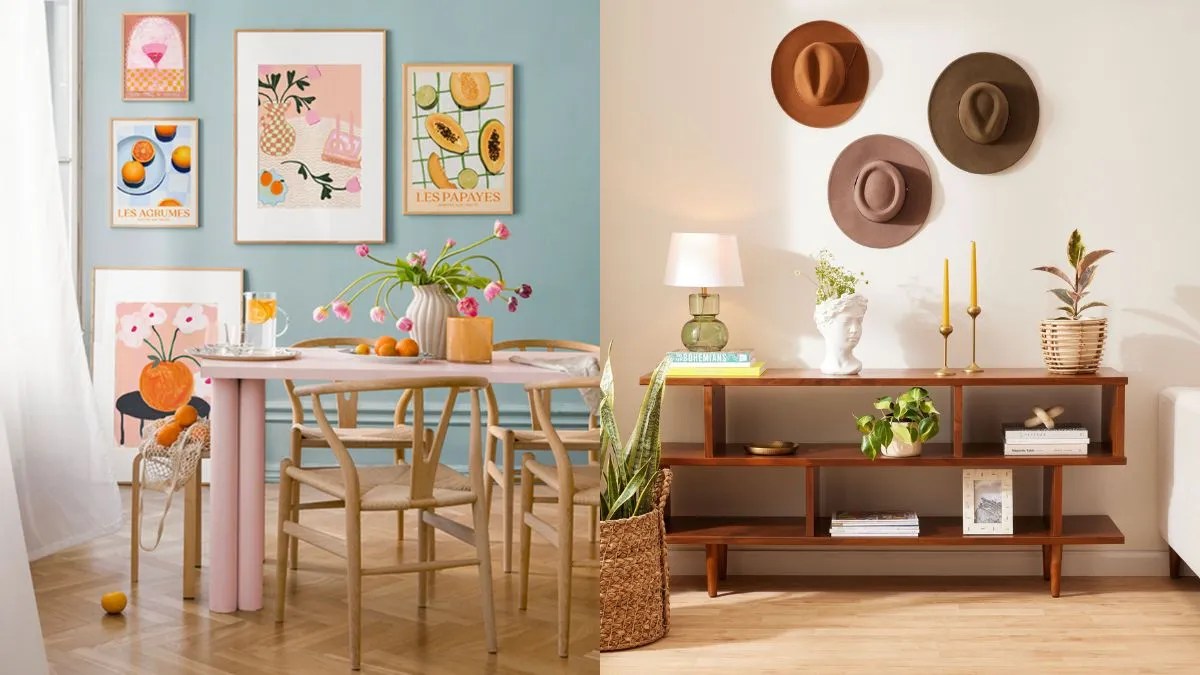
Home décor is an art that combines creativity, style, and functionality to create a harmonious living environment. Whether you are moving into a new place or simply looking to refresh your existing space, understanding the fundamentals of home décor can help you craft an inviting and aesthetically pleasing atmosphere. This guide will explore essential aspects of home décor, from choosing a theme to selecting the right accessories, ensuring your home reflects your personality and lifestyle.
Defining Your Style
Before embarking on any home décor project, it’s vital to define your style. Home décor encompasses a variety of styles, each with its unique characteristics. Here are a few popular styles to consider:
- Minimalist: This style embraces simplicity and functionality, focusing on clean lines, neutral colors, and a clutter-free environment. Minimalist décor often features open spaces and fewer furnishings, allowing for a serene atmosphere.
- Bohemian: The bohemian style is vibrant and eclectic, mixing patterns, colors, and textures. It often includes vintage pieces, handmade items, and a variety of plants, creating a relaxed and inviting space.
- Industrial: Inspired by urban lofts, industrial décor features raw materials such as exposed brick, metal accents, and wooden elements. This style often combines vintage and modern pieces, giving it a unique character.
- Scandinavian: Known for its simplicity and functionality, Scandinavian design emphasizes light colors, natural materials, and cozy accents. The style focuses on creating a warm, inviting atmosphere while maintaining practicality.
To find your personal style, browse through magazines, Pinterest, or interior design websites. Collect images and ideas that resonate with you, and use them as inspiration for your space.
Planning Your Layout
Once you have a clear vision of your style, the next step is to plan your layout. An effective layout enhances the flow of a room and ensures that each area serves its purpose. Here are some tips for planning your space:
- Consider Functionality: Think about how you use each room. For instance, a living room may serve as a space for relaxation, entertainment, or both. Arrange furniture to accommodate these activities comfortably.
- Traffic Flow: Ensure there is a natural flow between different areas. Leave enough space for movement, and avoid overcrowding the room with furniture. Ideally, there should be clear pathways that allow for easy navigation.
- Focal Points: Identify focal points in each room, such as a fireplace, a piece of artwork, or a beautiful window. Arrange furniture to highlight these features, drawing the eye and adding visual interest.
Choosing the Right Color Palette
Color plays a crucial role in setting the mood of a space. The right color palette can create warmth, serenity, or energy, depending on your preferences. Here are some tips for selecting colors:
- Start with Neutrals: Neutral colors, such as whites, grays, and beiges, provide a versatile backdrop. They allow you to add pops of color through accessories like cushions, artwork, or rugs.
- Incorporate Accent Colors: Choose one or two accent colors to add depth and personality. These can be used in smaller furnishings, wall art, or decorative items. Make sure the colors complement each other and align with your chosen style.
- Consider Lighting: The type of lighting in a room can significantly affect how colors appear. Natural light can enhance soft hues, while artificial light may alter the perception of color. Test your color choices in different lighting conditions before committing.
Selecting Furniture and Accessories
Furniture and accessories are the building blocks of your décor. They should not only reflect your style but also meet your practical needs. Here’s how to select the right pieces:
- Invest in Quality: While it may be tempting to buy inexpensive furniture, investing in quality pieces will ensure durability and longevity. Look for well-constructed items that can withstand daily use.
- Mix and Match: Don’t be afraid to mix different styles and textures. Combining modern and vintage pieces can create an interesting and dynamic look. Aim for balance by choosing items that share common elements, such as color or material.
- Personal Touches: Incorporate personal items such as photographs, souvenirs, or handmade crafts to give your space character. These elements tell your story and make your home truly unique.
Lighting: The Unsung Hero of Décor
Lighting can transform a space, affecting both mood and functionality. Consider these aspects when planning your lighting:
- Layered Lighting: Use a combination of ambient, task, and accent lighting to create depth. Ambient lighting provides overall illumination, task lighting focuses on specific areas, and accent lighting highlights features like artwork or architectural details.
- Natural Light: Maximize natural light by using sheer curtains or blinds that allow sunlight to filter through. Mirrors can also reflect light, making a space feel larger and brighter.
- Warmth and Softness: Choose warm light bulbs to create a cozy atmosphere. Dimmer switches can also help control the intensity of light, allowing you to set the right mood for any occasion.
Bringing It All Together
Home décor is about creating a space that resonates with your personality and lifestyle. By defining your style, planning your layout, selecting a thoughtful color palette, choosing quality furniture and accessories, and paying attention to lighting, you can transform any area into a beautiful sanctuary. Remember, the key is to take your time and enjoy the process. Your home should be a reflection of you—a place where you feel comfortable, inspired, and truly at home.
 My Family Blog