
Raising children is one of life’s most rewarding yet challenging endeavors. In a world that changes rapidly, parents strive to provide the best environment for their kids, helping them grow into resilient, curious, and compassionate individuals. This article explores key aspects of child development and offers insights on how to nurture young minds effectively.
Understanding Child Development
Child development encompasses a range of physical, emotional, social, and cognitive changes that occur as children grow. Each child is unique, progressing at their own pace. However, there are general milestones that can guide parents in understanding their child’s growth. These milestones include:
- Physical Development: This involves motor skills, coordination, and overall physical health. Infants learn to crawl, walk, and eventually run, while toddlers refine their skills through play. Encouraging physical activity through games and outdoor exploration can greatly enhance this development stage.
- Emotional Development: Children learn to understand and express their emotions from a young age. They develop empathy and learn to recognize feelings in themselves and others. Parents can support this growth by modeling emotional expression and discussing feelings openly.
- Social Development: Social skills emerge as children interact with peers and adults. From sharing toys to collaborating in group activities, socialization is crucial. Parents can foster this by organizing playdates and encouraging teamwork in various settings.
- Cognitive Development: This area focuses on learning, thinking, and problem-solving. From basic shapes and colors to more complex concepts like numbers and letters, cognitive skills evolve through exploration and interaction. Engaging children in educational games, reading together, and stimulating discussions can enhance their cognitive abilities.
Creating a Supportive Environment
A nurturing environment is pivotal in child development. The physical and emotional spaces where children grow can significantly impact their well-being. Here are essential aspects of creating such an environment:
- Safe Spaces: Children need a safe physical space where they can explore freely. This includes child-proofing the home, providing safe outdoor areas, and ensuring that toys and materials are age-appropriate.
- Emotional Safety: Beyond physical safety, emotional security is vital. Children should feel loved, accepted, and understood. Regularly expressing affection and actively listening to their concerns builds a strong foundation for their emotional well-being.
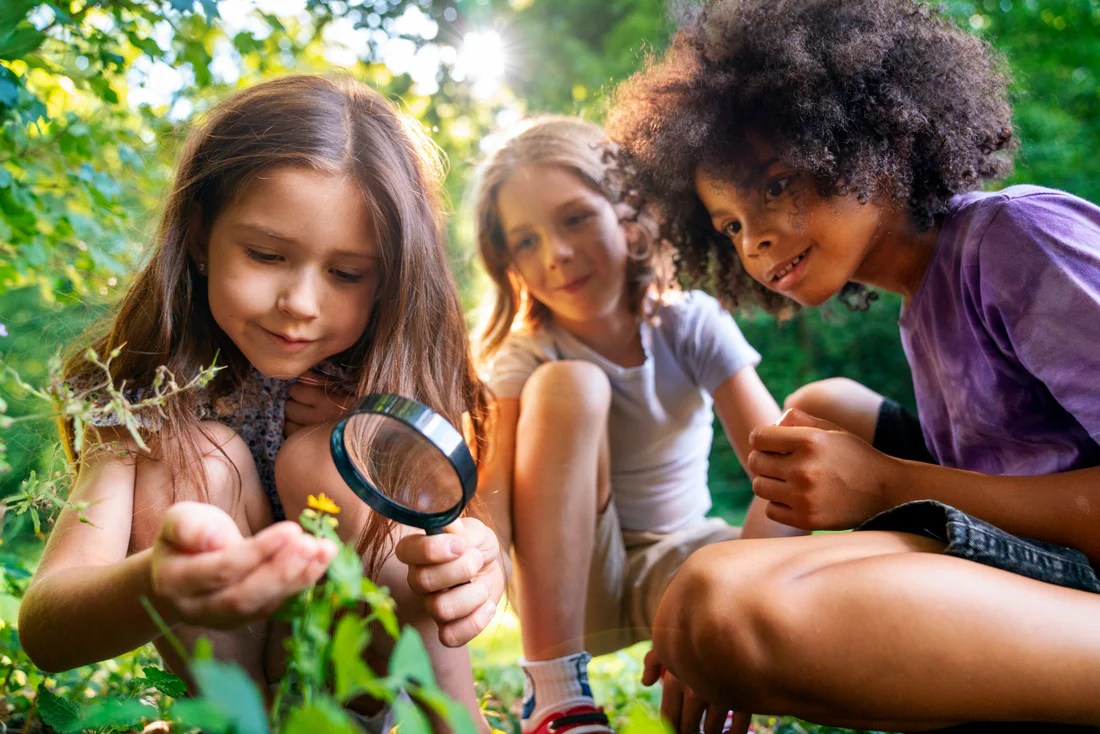
- Encouraging Exploration: Curiosity is a natural trait in children. Allowing them the freedom to explore their interests fosters creativity and critical thinking. This might involve hands-on activities, science experiments, or art projects that stimulate their imagination.
Fostering Resilience
Resilience is the ability to bounce back from challenges and setbacks. Instilling this trait in children prepares them to face life’s ups and downs. Here are ways to nurture resilience:
- Modeling Problem-Solving: Demonstrating how to approach challenges constructively teaches children that obstacles can be overcome. Involving them in age-appropriate problem-solving discussions helps them develop their critical thinking skills.
- Encouraging Independence: Allowing children to make choices and take responsibility for their actions builds confidence. Whether it’s letting them choose their outfits or involving them in household chores, these small decisions empower them.
- Celebrating Effort, Not Just Results: Recognizing and praising effort reinforces the idea that perseverance is valuable. This encourages children to tackle tasks even when they don’t achieve the desired outcome right away.
Promoting Healthy Relationships
Healthy relationships play a crucial role in a child’s social development. Parents can guide their children in forming and maintaining these connections:
- Teaching Communication Skills: Effective communication is fundamental for building relationships. Parents should encourage open dialogues, teaching children to express their thoughts and feelings clearly and respectfully.
- Conflict Resolution: Disagreements are a natural part of relationships. Teaching children how to resolve conflicts amicably—through listening, compromising, and finding common ground—equips them with essential life skills.
- Valuing Diversity: Introducing children to diverse cultures, traditions, and perspectives fosters respect and empathy. This can be achieved through storytelling, multicultural events, and travel experiences.
Supporting Academic Growth
Education is a significant aspect of a child’s development. To support academic growth, parents can:
- Create a Learning Routine: Establishing consistent study times and a quiet space for homework helps instill discipline and focus.
- Encourage Reading: Reading together not only enhances language skills but also broadens imagination. Parents should foster a love for books by visiting libraries and sharing stories regularly.
- Involvement in School Activities: Being actively engaged in school events and parent-teacher meetings demonstrates the value of education and reinforces the importance of academic success.
Embracing Play
Play is not just fun; it’s a vital component of healthy development. Through play, children learn social skills, creativity, and problem-solving. Parents should prioritize both structured and unstructured playtime, allowing kids to engage in various activities that inspire joy and learning.
Cultivating Lifelong Learning
Encouraging a love for learning goes beyond academics. Parents should model curiosity and enthusiasm for new experiences, showing that learning can happen in many forms—through travel, hobbies, and personal interests.
By nurturing a child’s physical, emotional, social, and cognitive development, parents lay the groundwork for well-rounded individuals who are prepared to face life’s challenges with resilience and curiosity. The effort invested in understanding and supporting young minds is invaluable, as it shapes the future of both the child and society as a whole.
 My Family Blog