
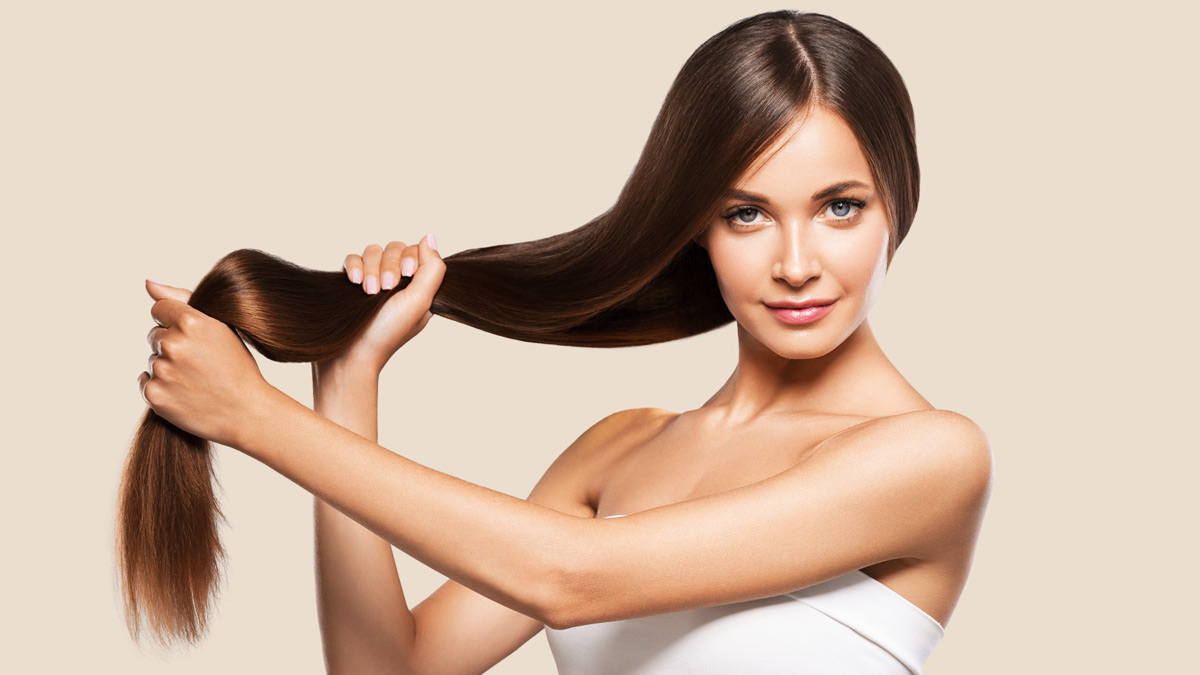
Healthy hair is not merely a cosmetic feature; it reflects overall well-being and can significantly impact confidence and self-esteem. Achieving and maintaining luscious locks involves understanding the basics of hair health, along with adopting proper care practices and lifestyle choices. Let’s explore the essential elements that contribute to vibrant, healthy hair.
Understanding Hair Structure
To appreciate how to care for your hair, it’s important to grasp its structure. Hair is primarily composed of a protein called keratin, which forms strands made up of three layers: the medulla (inner), the cortex (middle), and the cuticle (outer). The cuticle is the protective layer, and its health is vital. When the cuticle is damaged or raised, hair becomes prone to breakage and appears dull.
Nutrition: The Foundation of Healthy Hair
Just like any other part of the body, hair requires nourishment to grow strong and healthy. A balanced diet rich in vitamins and minerals plays a crucial role. Here are key nutrients to focus on:
- Proteins: Hair is made of protein, so ensuring you consume adequate amounts from sources like fish, chicken, beans, and nuts is essential for growth and strength.
- Vitamins: Vitamins A, C, D, and E all contribute to hair health. Vitamin A supports the production of sebum, keeping the scalp moisturized. Vitamins C and E act as antioxidants, protecting hair follicles from damage. Vitamin D has been linked to hair growth.
- Biotin: This B vitamin is often touted as a miracle for hair. Found in foods like eggs, nuts, and avocados, biotin deficiency can lead to hair thinning.
- Iron and Zinc: Both minerals support hair structure and growth. Iron-rich foods such as spinach and lentils can help prevent hair loss, while zinc supports hair tissue growth and repair.
Scalp Health: The Unsung Hero
A healthy scalp is the foundation for healthy hair. To maintain scalp health, consider the following practices:
- Cleansing: Regular washing with a gentle shampoo is crucial to remove dirt, oil, and product buildup. Overwashing can strip natural oils, while under-washing can lead to scalp issues.
- Exfoliation: Just like skin, the scalp can benefit from exfoliation. This helps remove dead skin cells and promotes circulation. Products containing salicylic acid or natural exfoliants can be effective.
- Moisturizing: Keeping the scalp hydrated is vital. Natural oils, such as coconut oil or tea tree oil, can help balance moisture levels.
Choosing the Right Products
With an overwhelming array of hair products available, selecting the right ones can be daunting. Here are some tips:
- Shampoos: Opt for sulfate-free shampoos, as sulfates can be harsh and strip natural oils. Look for formulas that cater to your specific hair type, whether it’s curly, straight, or color-treated.
- Conditioners: Conditioning is essential to restore moisture and manageability. Leave-in conditioners or masks can provide additional hydration, especially for dry or damaged hair.
- Styling Products: Choose heat protectants if you regularly use heat styling tools. Additionally, look for products that nourish and protect, rather than simply styling.
Hair Care Routine: Consistency is Key
Establishing a hair care routine is crucial for long-term health. Here’s a simple yet effective regimen:
- Wash Frequency: Depending on your hair type, wash every 2-4 days. Fine hair may need more frequent washing, while curly hair can often go longer without a wash.
- Conditioning: Always follow up shampooing with conditioner. For extra care, incorporate a deep conditioning treatment once a week.
- Minimize Heat: Limit the use of heat styling tools and always apply a heat protectant when styling is necessary.
- Gentle Handling: Use a wide-tooth comb on wet hair to prevent breakage. Avoid aggressive towel drying; instead, pat hair dry with a soft towel.
Lifestyle Choices: Holistic Approach
Hair health extends beyond products and routines. Lifestyle choices significantly influence hair vitality. Here are a few practices to consider:
- Hydration: Drinking plenty of water keeps the body and hair hydrated. Aim for at least 8 cups a day, more if you’re active.
- Stress Management: Chronic stress can lead to hair loss. Engage in relaxation techniques such as yoga, meditation, or simply taking time for hobbies.
- Regular Exercise: Exercise promotes circulation, which benefits hair follicles. Aim for at least 150 minutes of moderate aerobic activity weekly.
Conclusion
Investing time and effort into maintaining healthy hair is not just about aesthetics; it’s about embracing a holistic approach to self-care. By understanding hair structure, nourishing your body, adopting effective care routines, and making healthy lifestyle choices, you can unlock the secrets to vibrant, healthy hair that reflects your inner vitality. Whether your hair is long, short, curly, or straight, nurturing it will lead to not just better hair but a boost in your overall confidence.
 My Family Blog