
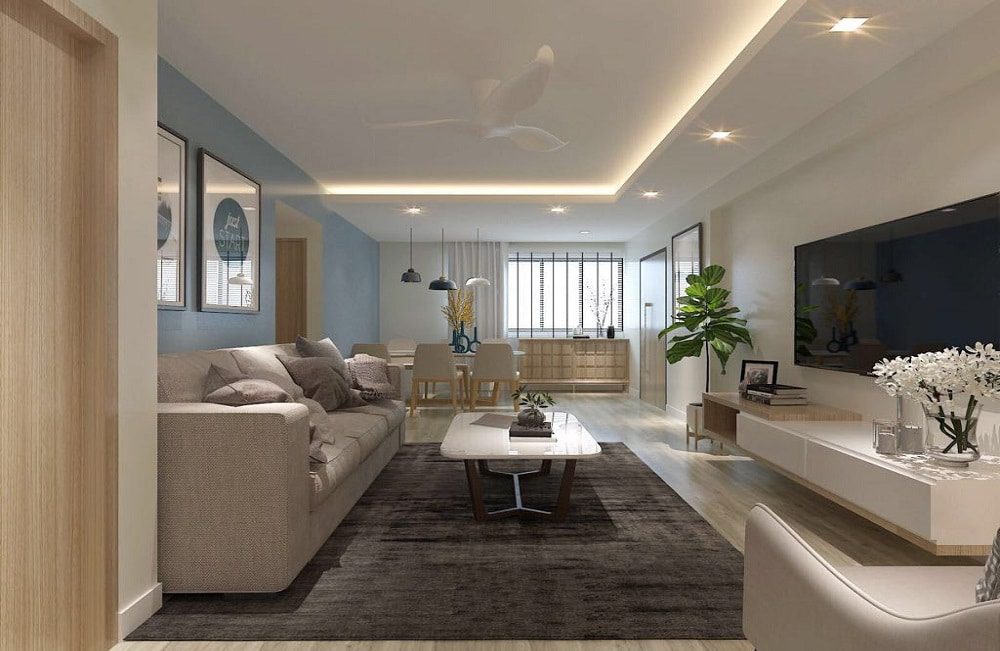
Lighting is a fundamental aspect of home design that can significantly influence the atmosphere, functionality, and aesthetic appeal of a space. Whether you are redecorating a single room or designing an entire home, understanding the different types of lighting and how to effectively use them is crucial. This guide will explore the various components of home lighting, offering insights on how to create a well-lit environment that enhances comfort and style.
Understanding the Types of Lighting
Home lighting can be broadly categorized into three main types: ambient, task, and accent lighting. Each serves a distinct purpose and plays a unique role in creating a harmonious atmosphere.
- Ambient Lighting: This is the primary source of illumination in a room, providing overall brightness and setting the mood. Ambient lighting can be achieved through various fixtures such as ceiling-mounted lights, chandeliers, or wall-mounted sconces. The goal is to ensure that the entire space is evenly lit, creating a welcoming environment. Dimmers can also be installed to adjust the intensity, allowing for versatility depending on the time of day or activity.
- Task Lighting: This type of lighting is designed to illuminate specific areas where activities requiring focused light take place, such as reading, cooking, or studying. Task lighting includes desk lamps, under-cabinet lights in the kitchen, and adjustable floor lamps. It is essential to choose fixtures that provide adequate light without causing glare or eye strain.
- Accent Lighting: Accent lighting adds depth and interest to a space by highlighting specific features, such as artwork, architectural details, or plants. This can be achieved with spotlights, track lighting, or wall-mounted fixtures. Accent lighting creates visual focal points and can dramatically enhance the ambiance of a room.
Choosing the Right Fixtures
Selecting the appropriate lighting fixtures is key to achieving a balanced and functional lighting scheme. Here are some popular options to consider:
- Chandeliers: These statement pieces serve as ambient lighting in dining rooms or entryways, adding elegance and sophistication. Choose a chandelier that complements the style of your home, whether it be modern, traditional, or eclectic.
- Pendant Lights: Ideal for kitchens or dining areas, pendant lights provide task lighting while offering an opportunity to express personal style. Hang them at varying heights to create visual interest.
- Wall Sconces: These fixtures can enhance both ambient and accent lighting. They are perfect for hallways or flanking mirrors in bathrooms, providing soft illumination without taking up floor space.
- Recessed Lighting: Installed into the ceiling, recessed lights offer a clean and streamlined look. They work well for general lighting and can be used in combination with other fixtures for a layered effect.
Utilizing Light Bulbs Effectively
The choice of light bulbs significantly impacts the quality of light in your home. Understanding the differences between bulb types will help you select the right ones for your needs.
- Incandescent Bulbs: These traditional bulbs provide a warm, inviting glow and are available in various shapes and sizes. However, they are less energy-efficient and have a shorter lifespan compared to other options.
- Compact Fluorescent Lamps (CFLs): CFLs use significantly less energy than incandescent bulbs and have a longer lifespan. They come in various color temperatures, allowing you to select warmer or cooler tones to suit your space.
- Light Emitting Diodes (LEDs): LEDs are highly energy-efficient and long-lasting, making them an excellent choice for both ambient and task lighting. They are available in various color temperatures, providing versatility to achieve the desired mood.
- Smart Bulbs: These innovative bulbs can be controlled via smartphone apps or smart home devices, allowing you to adjust brightness, color, and timing. Smart bulbs offer flexibility and convenience, enabling you to customize your lighting to suit different activities and moods.
Layering Your Lighting
Creating a well-lit environment often requires layering different types of lighting to achieve balance and depth. Here’s how to effectively layer lighting in your home:
- Combine Ambient, Task, and Accent Lighting: Use a mix of lighting types to create a dynamic and functional space. For example, in a living room, ambient lighting can come from overhead fixtures, task lighting can be provided by table lamps, and accent lighting can highlight artwork.
- Consider Room Functionality: Tailor your lighting scheme to the specific functions of each room. A home office may benefit from bright task lighting, while a bedroom may require softer, more ambient lighting for relaxation.
- Adjust for Time of Day: The quality of natural light changes throughout the day, so consider adjusting your artificial lighting to complement it. Use sheer curtains to allow natural light in during the day, and switch to warmer tones in the evening to create a cozy atmosphere.
Maintenance and Safety Considerations
Regular maintenance of your lighting fixtures ensures they remain functional and safe. Here are some key tips:
- Regular Cleaning: Dust and dirt can accumulate on light fixtures, reducing their effectiveness. Clean fixtures regularly with a soft cloth, and avoid harsh chemicals that may damage finishes.
- Check Bulbs and Wiring: Periodically inspect light bulbs for signs of wear, such as flickering or dimming. Replace any burnt-out bulbs promptly to maintain consistent lighting. Additionally, ensure that all wiring is secure and free from fraying or damage.
- Follow Safety Guidelines: Adhere to safety standards when installing or replacing fixtures. If you’re uncertain about electrical work, consult a licensed electrician to ensure proper installation.
Creating Your Unique Lighting Scheme
Designing a lighting plan for your home involves considering your style preferences, the function of each space, and the overall ambiance you wish to create. Experiment with different fixtures, colors, and placements to discover what works best for you.
Ultimately, the right lighting can transform a space, enhancing its beauty and functionality. By understanding the different types of lighting, choosing appropriate fixtures, and layering them thoughtfully, you can create an environment that is not only aesthetically pleasing but also perfectly tailored to your lifestyle. With careful consideration, your home can shine brilliantly, welcoming all who enter.
 My Family Blog