
Childhood is a remarkable phase filled with exploration, growth, and endless possibilities. Understanding the intricacies of childhood is crucial for parents and caregivers who strive to nurture and support young minds. This article offers a thorough examination of the various aspects of childhood, focusing on development, the importance of play, emotional growth, technology, and building strong relationships.
Understanding Childhood Development
Childhood development is often segmented into distinct stages, each characterized by specific milestones in physical, cognitive, and emotional growth. Recognizing these stages allows caregivers to tailor their support to meet the unique needs of children at different ages.
- Infancy (0-1 Year): The first year of life is critical for establishing secure attachments. Infants communicate through cries, coos, and facial expressions, relying on caregivers for comfort and security. This stage emphasizes the importance of physical contact, which fosters trust and emotional bonding. Caregivers can promote healthy development by responding promptly to an infant’s needs, creating a safe environment for exploration, and engaging in sensory activities.
- Toddlerhood (1-3 Years): During this dynamic period, toddlers develop their motor skills and begin to assert their independence. This can lead to challenging behaviors often labeled as the “terrible twos.” It is essential to encourage exploration while setting appropriate boundaries. Providing choices and encouraging autonomy helps toddlers develop decision-making skills, fostering a sense of self.
- Preschool Age (3-5 Years): Imaginative play takes center stage as children engage in role-playing and storytelling. This stage is critical for language development and social skills. Caregivers can facilitate learning by providing diverse materials that inspire creativity and promoting social interactions with peers. Activities like cooperative games and arts and crafts enhance communication skills and emotional expression.
- Early School Age (6-8 Years): As children enter formal education, they become more aware of their peers and the social dynamics of the classroom. Academic skills begin to take root, and it is crucial to foster a love for learning. Encouragement and praise can boost self-esteem, while structured routines provide a sense of stability. Engaging children in discussions about their day can help them articulate their thoughts and feelings.
- Middle Childhood (9-12 Years): This stage often involves navigating more complex social structures and developing a stronger sense of identity. Peer relationships become increasingly important, and children may encounter issues related to friendship and acceptance. Open communication is vital, allowing children to express their concerns and feelings. Encouraging involvement in extracurricular activities can help them develop new skills and friendships.
- Adolescence (13-18 Years): Teenagers experience significant physical and emotional changes as they seek independence. This period can be challenging, filled with self-discovery and external pressures. It is essential for parents to maintain a supportive presence while respecting their teen’s need for autonomy. Encouraging healthy discussions about values, goals, and societal expectations can guide teens as they navigate these formative years.
The Power of Play
Play is an essential component of childhood, serving as the primary avenue through which children learn and grow. Different types of play contribute uniquely to various aspects of development.
- Imaginative Play: Engaging in pretend play allows children to explore different roles and scenarios, enhancing creativity and social skills. Activities like dress-up or storytelling provide opportunities for children to express their thoughts and emotions, helping them understand the world around them.
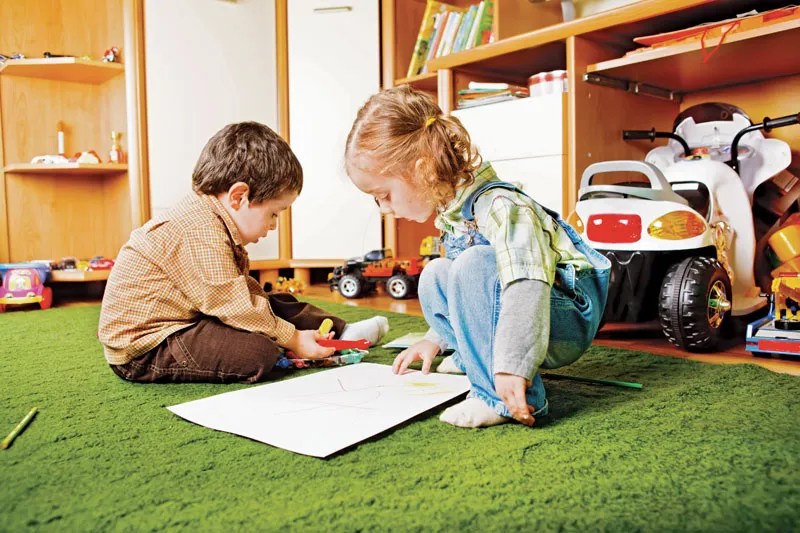
- Constructive Play: Building with blocks or engaging in arts and crafts supports fine motor development and cognitive growth. Children learn problem-solving skills as they figure out how to create structures or complete artistic projects. Providing diverse materials encourages experimentation and innovation.
- Physical Play: Active play is crucial for developing gross motor skills and promoting physical health. Whether through sports, dancing, or simple outdoor games, physical activity helps children build coordination and strength. Additionally, it instills important values such as teamwork and resilience.
Fostering Emotional Intelligence
Emotional intelligence is fundamental for a child’s overall well-being and success in life. Helping children recognize and manage their emotions can lead to healthier relationships and better mental health.
- Modeling Emotional Awareness: Adults play a pivotal role in demonstrating how to express emotions appropriately. By sharing their feelings and discussing coping strategies, caregivers create an environment where children feel comfortable expressing themselves.
- Teaching Empathy: Encouraging children to consider others’ feelings fosters empathy. Role-playing scenarios and discussing characters’ emotions in stories can help children understand diverse perspectives, enhancing their emotional intelligence.
- Encouraging Problem-Solving: Rather than immediately intervening in conflicts, guiding children to find solutions empowers them and builds resilience. Teaching negotiation skills and conflict resolution techniques can equip children to handle disagreements more effectively.
The Role of Technology in Childhood
In today’s digital world, technology plays a significant role in children’s lives. While it can provide educational resources and social interaction, it is essential to approach technology mindfully.
- Balanced Usage: Setting limits on screen time is crucial to ensure that children engage in a variety of activities. Encouraging educational content that promotes learning can maximize the benefits of technology while minimizing its downsides.
- Interactive Experiences: Opting for interactive games or applications that require critical thinking and creativity provides a more enriching experience than passive consumption. Encouraging children to engage with technology in a way that promotes learning can enhance their cognitive skills.
- Monitoring Content: It is vital for parents to be aware of the content their children access online. Open discussions about internet safety and responsible behavior are key components of helping children navigate the digital landscape.
Building Lasting Relationships
Strong relationships are at the heart of a child’s well-being. Whether with family, friends, or educators, nurturing these connections fosters a sense of belonging and security.
- Quality Time: Spending dedicated, distraction-free time with children strengthens bonds and creates lasting memories. Engaging in shared activities—such as cooking, reading, or outdoor adventures—can deepen relationships and provide opportunities for meaningful conversations.
- Open Communication: Establishing a culture of honest dialogue allows children to express their thoughts and feelings freely. This practice helps them feel valued and understood, ultimately enhancing their emotional well-being.
- Supportive Environment: Creating a nurturing atmosphere where children feel safe to explore and express themselves fosters confidence and emotional growth. Encouraging children’s interests and celebrating their achievements can reinforce their sense of self-worth.
Understanding the multifaceted world of childhood requires patience, empathy, and a commitment to fostering a nurturing environment. By recognizing developmental stages, embracing the power of play, nurturing emotional intelligence, mindfully incorporating technology, and building strong relationships, parents and caregivers can guide children toward a fulfilling and balanced life. Each interaction shapes their experiences, helping them navigate their world with confidence and curiosity.
 My Family Blog